

Inshore Fishing Panama City: What a Guided Trip Looks Like
Read the Water. Make Every Cast Count.
Plan your inshore day with Captain Travis in Panama City today!
Published:
Updated:
The boat is idling at the edge of shallow water, and the guide has stopped talking. He is watching the surface, reading something you cannot see yet. Then he points, tells you where to put the cast, and the day suddenly makes sense. That moment is what you are paying a guide for, and it is the clearest way to understand what a guided inshore trip is.
If you have fished on your own but never booked a guide, the process can feel like a black box. This article walks through what a day with a guide generally involves, the kinds of inshore trips Captain Travis Rolan offers through Flats And Fathoms, and what to sort out before you reserve a date.
What inshore fishing means
Inshore fishing happens in the calmer, shallower water close to the coast, not out in the open Gulf. The fish sit in different places, the boats are built differently, and the way you cast and present a bait changes with the setting. For many visitors to Panama City Beach, it is the easier entry point into saltwater fishing, because the water is closer and the pace is less punishing.
A guide matters more here than people expect. Shallow water is full of small clues, such as how the current moves, where the bottom changes, and where fish are likely to hold. Someone who spends their working life on that water reads those clues faster than any first-time visitor can. If you are searching for inshore fishing in Panama City, a guided trip is the quickest way to skip the guesswork.
What a day with a guide actually involves
A guided trip is not a lesson you sit through, and it is not a ride while someone else fishes. You are fishing, and the guide is running the boat, choosing the spots and coaching as you go. The boat and the location decisions are taken off your plate, which leaves you free to focus on the cast, the retrieve and the bite.
Expect the guide to adjust through the day. If one stretch of water is quiet, he moves. If your technique needs a small fix, he tells you right then, while you can still use it. That live feedback is the main difference between a guided trip and fishing alone with a rented boat and a hunch.
Captain Travis Rolan has more than 20 years of guiding experience and works with both beginners and seasoned anglers. He runs a 16-foot Dolphin Super Skiff, a smaller boat suited to getting into skinny water. A skiff like that puts you close to the fish and close to the action, so the trip feels hands-on from the first cast.
The kinds of inshore trips Captain Travis offers
Flats And Fathoms does not offer a single one-size trip. The inshore options are built around different anglers, and it helps to match yourself to one before you book.
- A hands-on experience built around you, for anglers who want to learn the ropes as they fish.
- A trip for experienced anglers who want to read the water and make every cast count.
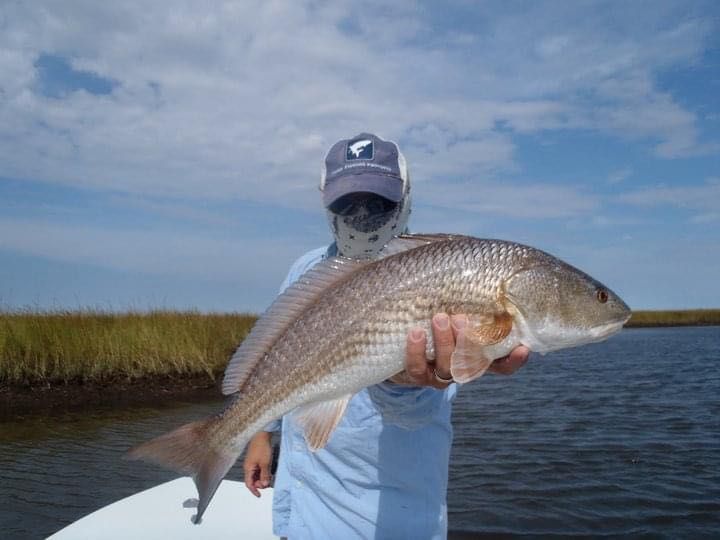
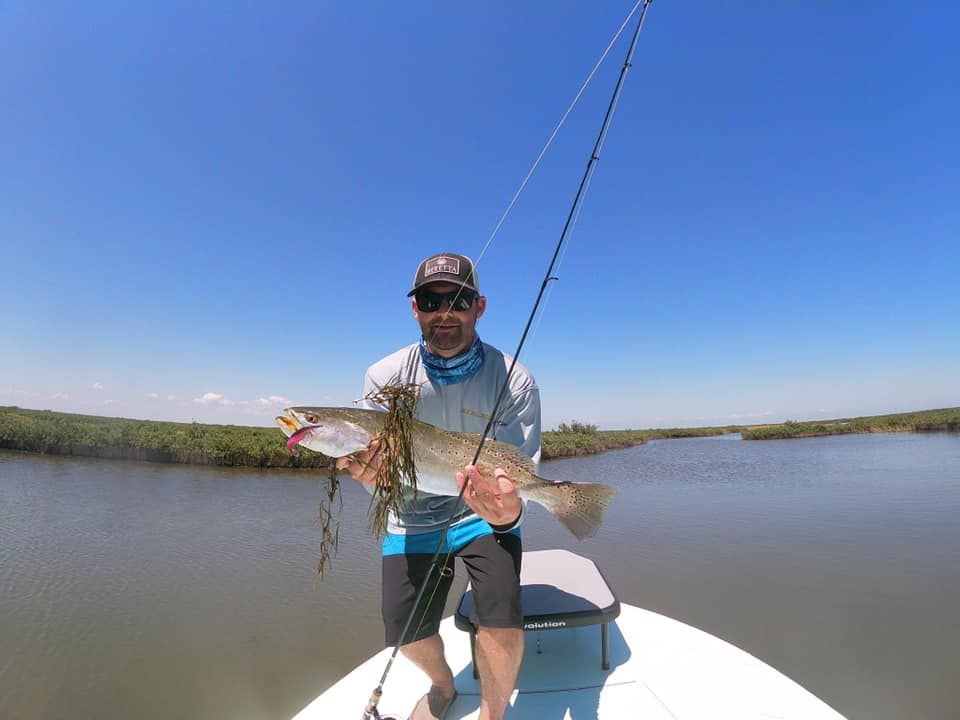
- A day exploring productive waters for redfish, black drum and speckled trout.
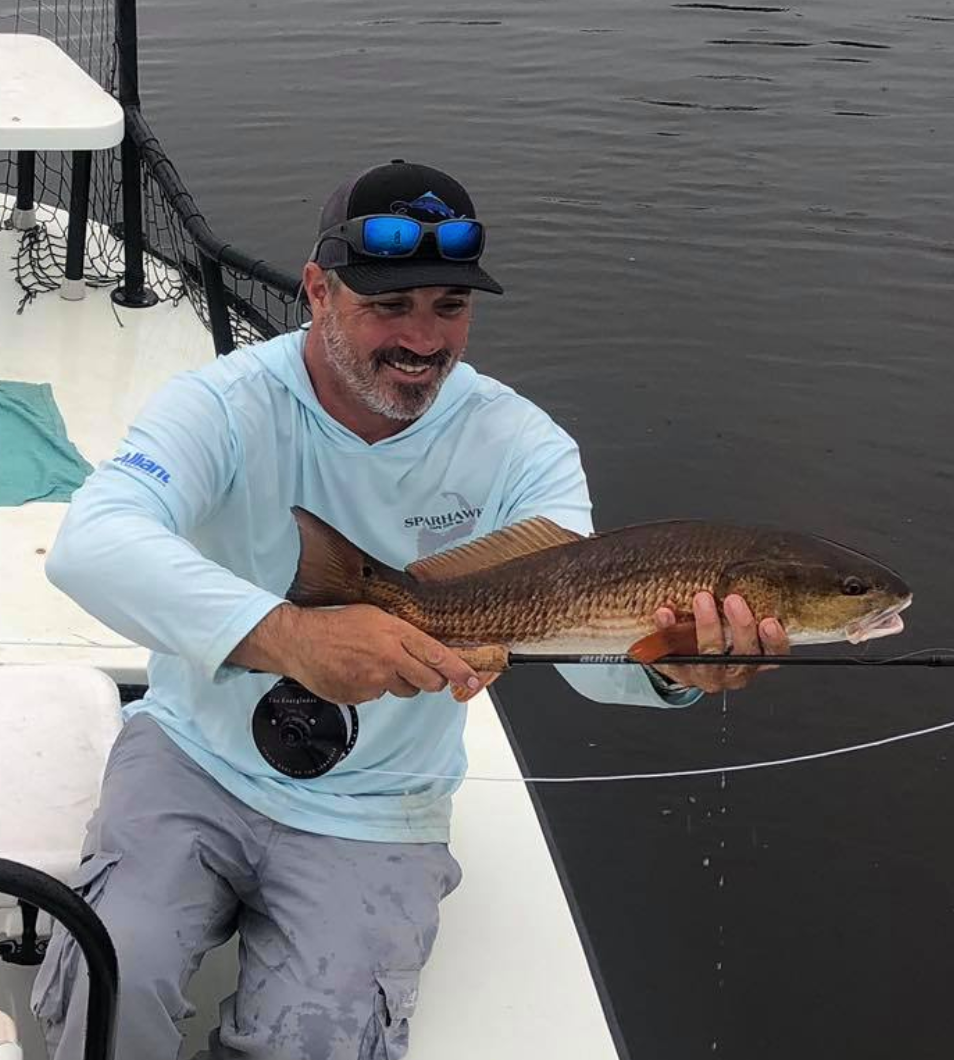
- A fly fishing outing in skinny water from a specialized flats skiff.
Each of these suits a different kind of angler. A first-timer who wants to understand the basics will get more from the hands-on format than from a trip designed for someone who already knows how to read a flat. An angler with a fly rod and some experience will look for the skinny-water outing instead.
Light tackle, heavy tackle and what that means for you
Flats And Fathoms lists both light tackle and heavy tackle among its activities, alongside trolling and deep sea trips. For inshore days, light tackle is the style most people picture, with lighter rods that let you feel a fish working on the line. Heavy tackle and deep sea fishing are a separate kind of day, so keep that in mind when you read the trip descriptions and pick the one that fits what you want.
Captain Travis fishes with gear from brands he is associated with, including Orvis, Simms, Quantum and Aubut Rods. For a first-time guided customer, the practical point is simple. You can ask the guide what is provided and what to bring when you book, and you should, because it saves you carrying things you do not need.
What to think about before you reserve
A little preparation makes the day go better. Start by deciding what you want out of the trip. If your goal is to learn, say so. If your goal is to chase a particular fish on the fly, say that instead. The guide plans the day around what you tell him, so a clear goal helps him set the right tone from the start.
Think honestly about your experience. There is no benefit in booking a trip pitched at experts if you have never held a rod, and a beginner format will bore an angler who already casts well. Pick the option that matches where you actually are.
Check the practical details before you commit. Ask about group size, the length of the trip, what gear is included, and what happens if the weather turns. Those answers belong to the guide, and they should be settled before you pay, not on the dock. Also make sure everyone in your party is comfortable on a small skiff, since a 16-foot boat is a close, working space.
Making the most of your first guided trip
Listen more than you talk in the first hour. The guide is learning how you cast and how you handle the rod, and he will adjust his advice to match. Ask questions when something is unclear, and ask why he chose a spot, because the reasoning is often worth more than the fish itself.
Stay flexible about the outcome. Inshore fishing depends on tide, light and fish behavior, and a good guide works with those conditions rather than against them. Some days are fast and some are slow, and the skill is in finding what works on that particular day. Go in expecting to learn something, and you will come home with more than a photo.
If you are weighing a guided trip around Panama City, a conversation with Captain Travis about your goals and experience is the best next step. He can point you to the inshore option that fits, and you will go out with a clear idea of what the day holds.